Can you see the northern lights while winter horseback riding in Lapland?

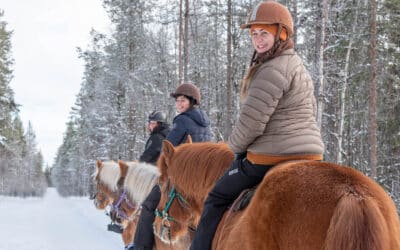
Yes, you can see the northern lights while winter horseback riding in Lapland. This extraordinary experience combines two magical elements of Finnish Lapland: the enchanting aurora borealis and the serene wilderness exploration on horseback. The dark winter skies from November through March provide ideal conditions for aurora viewing, while the remote trails accessible by horseback offer pollution-free viewing areas away from artificial light. Guided tours specifically designed for northern lights viewing typically operate in the evenings when aurora activity is highest, with experienced guides who know the best locations and can help maximize your chances of witnessing this natural phenomenon. […]

What are the best months for husky sledding in Finnish Lapland?

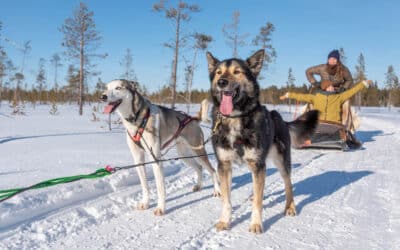
The best months for husky sledding in Finnish Lapland are from December through March, with January and February offering the most optimal conditions. This period guarantees reliable snow cover, well-maintained trails, and the unique blue light of polar days that creates a magical atmosphere. December offers festive charm with Christmas lights, while March provides longer daylight hours and milder temperatures. The prime season combines perfect snow conditions with opportunities to witness the Northern Lights dancing across the Arctic sky, creating an unforgettable wilderness experience. The prime husky sledding season in Finnish Lapland runs from early December through late March, when […]

How does the lakeside sauna experience differ in winter?

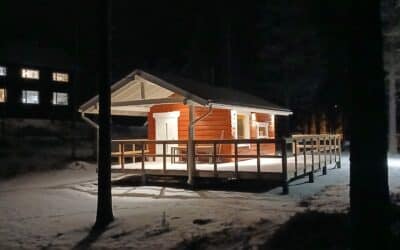
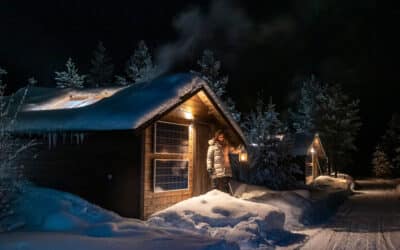
The lakeside sauna experience transforms dramatically during winter in Finnish Lapland. The stark contrast between the sauna’s intense heat (80-100°C) and the frigid outdoor temperatures (often below -20°C) creates a uniquely invigorating sensation unmatched in other seasons. Winter brings the magical opportunity to combine traditional Finnish sauna with ice swimming through holes cut in frozen lakes, while snow-covered landscapes and the dancing northern lights add ethereal beauty to the experience. This quintessential Finnish winter tradition offers visitors both profound relaxation and an authentic cultural immersion in the Arctic wilderness. Winter lakeside saunas in Finnish Lapland offer an extraordinary sensory experience […]

Why are reindeer important to Lapland culture?

Reindeer are the cultural cornerstone of Lapland, serving as the lifeblood of traditional Sámi culture for thousands of years. These remarkable animals have shaped every aspect of life in the Arctic regions, from providing sustainable food, clothing, and transportation to inspiring rich folklore and spiritual practices. Beyond mere livestock, reindeer represent an ancient bond between humans and nature that has enabled survival in one of Earth’s most challenging environments. The intricate relationship between reindeer and the people of Lapland remains vital to regional identity, sustainable livelihoods, and the preservation of indigenous knowledge in Finnish Lapland’s winter landscape. Reindeer have been […]

What should I wear for a reindeer safari in winter?

For a winter reindeer safari in Finnish Lapland, proper layering is essential. Start with a moisture-wicking base layer, add an insulating mid-layer of wool or fleece, and top with a windproof, waterproof outer shell. Extremity protection is crucial: wear insulated, waterproof boots, thermal gloves or mittens, a warm hat, and a neck gaiter. Don’t forget thermal underwear, wool socks, and sunglasses for snow glare. Most tour companies provide thermal overalls and boots, but bring your own base and mid-layers for personal comfort in temperatures that can drop below -30°C. A reindeer safari is a traditional Arctic adventure where visitors glide […]

How do Finn horses adapt to Lapland’s harsh winter conditions?

Finn horses have evolved remarkable adaptations that enable them to thrive in Lapland’s harsh winter conditions. These sturdy native Finnish equines possess thick, double-layered winter coats that provide exceptional insulation against temperatures as low as -30°C. Their compact, muscular bodies conserve heat efficiently while their metabolic adaptations allow them to extract maximum nutrition from sparse winter vegetation. Additionally, their calm temperament and sure-footedness make them ideally suited for navigating snow-covered terrain, allowing these resilient animals to remain active working partners throughout the extreme Arctic winter. The Finn horse, or Finnhorse (Suomenhevonen), stands as Finland’s only native horse breed and represents […]

Why is staying near Riisitunturi National Park ideal for northern lights viewing during winter?

Staying near Riisitunturi National Park in Finnish Lapland offers optimal conditions for northern lights viewing during winter. The park’s remote location ensures minimal light pollution, while its higher elevation provides unobstructed views of the horizon. Winter months (November through March) deliver longer dark hours and clearer skies, essential for aurora spotting. The snow-covered landscapes of Riisitunturi also act as a natural reflector, intensifying the visual impact of the dancing lights. With comfortable accommodation options nearby, visitors can quickly respond to aurora forecasts and step outside at a moment’s notice when the magical phenomenon appears. Riisitunturi National Park stands out as […]

How are reindeer trained for tourism activities?

Reindeer training for tourism in Finnish Lapland combines traditional Sámi knowledge with modern ethical practices. These magnificent animals aren’t conventionally trained like domestic animals but rather gradually habituated to human presence and activities. The process involves gentle familiarization starting from a young age, building trust through consistent handling, and respecting the reindeer’s natural behaviors. Training emphasizes positive reinforcement techniques while maintaining the animals’ welfare as the highest priority. Experienced herders work patiently with reindeer, introducing them to harnesses and sleighs gradually, ensuring they become comfortable with carrying tourists while still honoring their natural instincts and needs. Reindeer have been central […]

How fast do huskies run during a sledding tour?

During a typical sledding tour in Finnish Lapland, huskies generally run at speeds of 15-25 kilometers per hour (9-15 mph). These incredible Arctic working dogs maintain this comfortable cruising speed to ensure a safe yet exhilarating experience for tourists. While racing huskies can reach speeds up to 45 km/h (28 mph), commercial sledding tours operate at moderate speeds that allow guests to enjoy the breathtaking winter landscapes and possibly spot the northern lights dancing overhead. The pace varies based on snow conditions, terrain, and the guide’s expertise in managing the eager dog team. Husky sledding is one of the most […]

Varaa nyt Varaa nyt