To ensure an ethical husky safari in Lapland, look for operators who prioritize the animals' quality of life year-round, not just during tours. Key indicators include transparent living conditions, fair workload management, dignified retirement plans, and official certifications like Sustainable Travel Finland or Green Activities, which verify high animal welfare standards.
A responsible operator views their animals as partners and family, with their well-being forming the foundation of the business. This guide helps you identify what to look for to ensure your adventure supports the animals you've come to see.
Look Beyond the Trail: The Animal's Life at Home
The most telling signs of an ethical operator are found away from the tourist trails. Before booking, ask about the animals' living conditions. A happy, well-cared-for animal has a home that meets its needs.
For our Alaskan Huskies, this means clean, spacious kennels where they have room to rest and socialise with their pack mates. For our Finnish horses and reindeer, it means well-maintained stables and large enclosures that allow for natural movement. Every animal should have constant access to fresh water (or be watered multiple times a day in deep frost, as Finnish law requires) and a diet tailored to their energy needs, age, and the season.
Transparency is key. Ask if you can see the kennels or stables. An operator who is proud of their animal care will be happy to show you around. If they are hesitant or make excuses, consider it a red flag.
A Fair Workday for a Working Animal
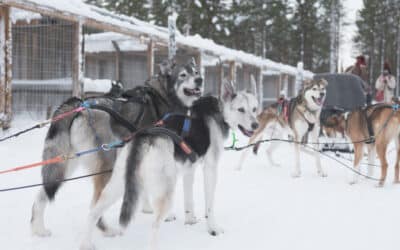
Huskies, reindeer, and Finnish horses are working breeds; they are born with a deep-seated instinct to pull, roam, and explore. The excited barking you hear from a husky team before a safari is pure, unbridled enthusiasm to run. However, this natural drive must be managed with respect and expertise.
An ethical workload considers several factors:
- Weather: Conditions in Lapland can be extreme. Animals should not be forced to work in weather that compromises their health. For example, we do not run our husky cart tours if the temperature is above +14°C, as huskies can easily overheat.
- Pacing and Rest: No animal should work every day without a break. Teams should be rotated, giving every animal ample time for rest and recovery. Younger, energetic dogs might run more often, while older, experienced leaders might take shorter, more strategic roles. The length of the safari, from a short 5km taster to a full-day expedition, is always chosen based on the team's condition and the weather.
- Individual Needs: Just like people, animals have different fitness levels and personalities. A good musher or guide knows each animal individually and adjusts their position in the team or their daily tasks accordingly.
During a tour, observe the guides. Do they treat the animals with patience and a calm hand? The relationship between human and animal should be one of mutual trust, not force.
More Than Just Winter: What Huskies Do in the Off-Season
A common question is what happens to the sled dogs when the snow melts. For our huskies, summer and autumn are not an "off-season" but a different kind of working season filled with training, exercise, and new adventures. Running is in their blood, and staying active year-round is crucial for their physical and mental health.
When there’s no snow, we switch from sleds to specially designed carts for husky cart rides through the forest trails. These tours give you a chance to see the dogs' power and enthusiasm in a completely different landscape. We also offer husky trekking, where you can hike through the beautiful Lappish nature with a husky companion by your side, connected by a special belt. It's a wonderful way to form a one-on-one bond with a dog.
These activities, along with regular kennel visits, ensure our dogs remain fit, socialised, and happy throughout the year. It also gives you a chance to experience the life of a husky farm beyond the winter magic.
The Promise of a Dignified Retirement
One of the most critical indicators of an ethical animal tourism business is what happens when an animal is too old or unable to continue working. A responsible operator provides a forever home.
Our older dogs, horses, and reindeer remain with us as cherished members of our family. They relax, enjoy gentler activities, and often help socialise the younger animals. Selling or rehoming working animals once they are no longer profitable is not a practice we support. When you choose a tour provider, you are also supporting their retirement plan for their animals. Always ask: “What happens to your animals when they retire?”
Why Small Groups Matter
Choosing a tour with a small group size is a simple way to support more sustainable tourism. For us, keeping groups small is a conscious choice. It means less physical impact on the forest trails we use and less disturbance to the local wildlife whose home we are sharing.
A smaller group also creates a much better experience for you. It allows for a real conversation with your guide, giving you the chance to ask questions and learn about the dogs, the culture, and the nature around you. You get a more personal, peaceful, and intimate connection to the arctic wilderness, which is what a trip to Lapland is all about.
Understanding Labels and Certifications
Navigating claims of “ethical” and “responsible” can be confusing. Fortunately, there are official certifications in Finland that help you identify operators who are genuinely committed to high standards.
Sustainable Travel Finland (STF) Label: This label, awarded by Visit Finland, indicates that a company has undergone a program focused on ecological, social, cultural, and economic sustainability. While it’s a broad certification, it shows a verified commitment to responsible practices.
Green Activities Certificate: This is a more specialised certification for activity providers in Finland. Crucially, it includes detailed, species-specific criteria for animal welfare that are verified through independent, on-site audits. For a husky kennel to receive this certificate, it must meet strict standards on everything from kennel size and hygiene to nutrition, healthcare, workload management, and retirement care. It is one of the strongest guarantees of high animal welfare standards in the industry.
We are proud to be a certified sustainable company, as these labels hold us accountable and give you peace of mind. When choosing an operator, look for these certifications on their website.
Your Checklist for an Ethical Animal Tour
Choosing a responsible tour provider ensures your visit has a positive impact. Your curiosity and questions encourage the entire industry to maintain the highest standards. Before you book, and when you arrive, use this simple checklist.
Questions to Ask Before Booking:
- Can we visit the kennels/stables to see how the animals live?
- What is your policy on animal retirement?
- How do you manage the animals' workload and rest days, especially in different weather conditions?
- What happens with the animals during the summer or off-season?
- Are you certified by Sustainable Travel Finland or Green Activities?
What to Observe on Site:
- The Animals' Condition: Do the animals look healthy? Look for clear eyes, healthy coats, and a good body weight (working huskies are lean, not skinny).
- Their Environment: Is the living area clean and well-maintained? Is fresh water available?
- The Staff's Interaction: Do the guides know the animals by name? Is their interaction based on positive reinforcement and respect?
- The Animals' Demeanour: The animals should be energetic and eager, but not stressed or fearful. A team of huskies will be loud and excited before a run—this is a good sign! But they should be calm and responsive to their guide.
By choosing wisely, you become part of a tradition that honours the incredible animals of Lapland. You support local families who dedicate their lives to their well-being and help preserve a way of life that is deeply connected to the Arctic nature.
Frequently Asked Questions
What should I look for in an animal's living conditions?
Ethical operators provide clean, spacious kennels or stables with constant access to fresh water and a diet tailored to the animals' needs. They should be happy to show you their facilities.
How do ethical operators manage the animals' workload?
An ethical workload considers weather conditions, ensures animals get ample rest and recovery, and adjusts tasks based on individual fitness levels and personalities. Animals should not be forced to work in extreme weather.
What do huskies do during the summer or off-season?
For ethical operators, summer and autumn are active seasons for huskies, involving training, exercise, and activities like husky cart rides or husky trekking to maintain their physical and mental health.
What happens to the animals when they retire?
A responsible operator provides a forever home for their older or retired animals, keeping them as cherished family members rather than selling or rehoming them once they are no longer profitable.
Why are small group sizes important for ethical tours?
Small group sizes reduce environmental impact on trails and wildlife, and they allow for a more personal and intimate experience with your guide and the Arctic wilderness.