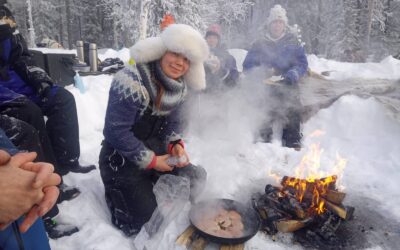
For your first horse riding trek in Lapland, you should wear a three-layer system: a moisture-wicking base layer (merino wool or synthetic), an insulating mid-layer (fleece or wool sweater), and the heavy-duty outer gear we provide. This layering system is crucial for staying warm and dry in Lapland's winter temperatures, which typically range from -5°C to -20°C.
We provide the essential outer layer, including a warm, insulated thermal overall, windproof and water-resistant, along with arctic-rated winter boots, thick mittens, and a certified riding helmet. Our treks range from 1-2 hour beginner rides to multi-day adventures, all designed to connect you with nature and our calm Finnhorses.
What to Expect: Our Horse Riding Experiences
To help you prepare, it’s good to know what our treks are like. We have experiences designed for everyone, from complete beginners to seasoned riders.
Our guides will always match you with a calm and reliable Finnhorse suited to your skill level. For those new to riding, we recommend our shorter treks of 1-2 hours. These are a perfect introduction, moving at a gentle pace through beautiful, accessible forest trails. If you're looking for a deeper experience, our 5-hour day treks take you further into the Lappish wilderness. For a full immersion, we also offer 2-3 day adventures where you truly live by the rhythm of the wild. No matter the length, the focus is always on safety and enjoying the peaceful connection with your horse and the nature around you.
The Three-Layer System: Your Foundation for Warmth
For any beginner planning horse riding in Lapland, mastering the art of layering is the first step. It’s a simple system that traps warm air while letting moisture escape, keeping you comfortable for the entire trek.
1. The Base Layer: Right Against Your Skin
This layer’s only job is to wick sweat away from your body to keep you dry. Damp skin gets cold very quickly. Choose materials like merino wool or synthetic fabrics designed for sports. Absolutely avoid cotton, as it absorbs moisture and will make you feel cold and clammy.
- What to wear: A long-sleeved thermal top and full-length thermal leggings (long johns).
2. The Mid-Layer: Your Insulation
This is your warming layer. Its purpose is to trap your body heat. A fleece jacket or a good wool sweater works perfectly. Depending on the day’s temperature, you might wear one or two thinner mid-layers, which gives you more flexibility than one very bulky layer.
- What to wear: A fleece jacket, a thick wool sweater, or both if it's very cold.
3. The Outer Layer: Your Shield (Provided by Us)
There’s no need to buy expensive arctic expedition gear for your trip. We provide the essential outer layer to shield you from wind and snow. This includes a warm, insulated thermal overall, which is both windproof and water-resistant. It's designed to keep you warm even when sitting still on horseback.
Don't Forget Your Head, Hands, and Feet
Your extremities are the first to feel the cold, so protecting them properly is essential for a comfortable ride.
- Head: We provide a helmet for your safety. Underneath it, you should wear a thin hat, like a fleece or wool beanie, or a balaclava. It needs to be snug enough that the helmet still fits securely.
- Hands: We’ll give you a pair of thick, warm winter mittens. However, we highly recommend you bring your own pair of thin liner gloves (wool or synthetic) to wear inside them. This is a game-changer for taking photos. You can slip the large mitten off to use your camera or phone without exposing your bare skin to the freezing air for even a second.
- Feet: This is one of the most important areas. Cold feet can ruin an otherwise perfect experience. Avoid cotton socks completely. Instead, wear one or two pairs of thick wool socks. The winter boots we provide are rated for arctic temperatures, but the right socks are what truly keep your toes warm. For those who are especially sensitive to the cold, disposable hand and foot warmers are a small, lightweight addition to your pockets that can make a big difference.
Your Complete Packing Checklist
Here’s a simple summary of what you need to prepare for your ride.
What to Bring Yourself:
- Top Base Layer: One long-sleeved merino wool or synthetic thermal shirt.
- Bottom Base Layer: One pair of merino wool or synthetic thermal leggings.
- Mid-Layer: A fleece jacket or a thick wool sweater.
- Socks: One or two pairs of thick wool or ski socks.
- Headwear: A thin beanie or balaclava that fits under a helmet.
- Gloves: A pair of thin liner gloves.
- Other Essentials: A neck gaiter or scarf can add extra warmth around your face. On sunny days from February onwards, sunglasses are also a good idea to protect your eyes from the glare of the snow.
What's Included in Your Trek:
- A warm, windproof thermal overall.
- High-quality, insulated winter boots suitable for riding.
- Thick, warm winter mittens.
- A certified riding helmet.
- What's not included: Your personal base and mid-layers, socks, and other personal items.
What Not to Wear
Just as important as what to wear is what to leave behind. For both comfort and safety, please avoid these items:
- Jeans: Denim is cold, stiff, and has no insulating properties. It becomes extremely uncomfortable if it gets even slightly damp.
- Cotton: Avoid all cotton clothing, from t-shirts to socks. It holds moisture and makes you cold.
- Trainers or Fashion Boots: Improper footwear is a safety risk. Your boots should have a small, defined heel to prevent your foot from slipping through the stirrup. Our provided boots are perfect for the job.
Booking Your Lapland Horse Riding Adventure
When you're ready to book, a little information helps us create the perfect experience for you. It's important to be honest about your riding experience—whether you've never sat on a horse or have ridden for years. This ensures we match you with the right horse and a suitable trail for your comfort and safety. A basic level of physical fitness is also helpful for enjoying your time in the saddle.
The timing of your visit also shapes your adventure. The Northern Lights are visible from late August to April, and a ride under a dark, star-filled sky is an unforgettable experience. If you visit later in the winter, from February onwards, you'll enjoy longer, brighter days with golden sunlight reflecting off the endless snow. Each season has its own magic.
With the right clothing, you are ready to fully enjoy the peace and beauty of a horse riding experience in Lapland. You can focus on the gentle rhythm of your horse and the pristine wilderness around you, knowing you’ll stay warm and comfortable from start to finish.
Frequently Asked Questions
Do I need any riding experience for a winter trek?
No, you don't. Our treks are suitable for beginners. We use calm and reliable Finnish horses that are accustomed to the snowy terrain, and our guides provide all necessary instructions before we head out. The pace is relaxed, focusing on safety and enjoying the scenery.
What if I don't have all the recommended base layers?
While high-quality wool or synthetic layers are best, the most important rule is to avoid cotton. If you have non-cotton athletic wear, that can work as a base layer. The key is to have layers you can add or remove and that don't hold moisture. Let us know if you have questions, and we can offer advice.
Are the treks cancelled in very cold weather?
Safety is our top priority. We ride in a wide range of winter conditions, as the dry cold in Lapland is often more comfortable than a damp, windy day further south. However, in extreme cold or severe weather, we may adjust the route, shorten the duration, or reschedule the tour to ensure the well-being of both our guests and our horses.
What should I wear on my head and hands under the provided gear?
Under the helmet we provide, wear a thin fleece or wool beanie or a balaclava that fits snugly. For your hands, we give you thick winter mittens, but we highly recommend bringing your own thin liner gloves (wool or synthetic) to wear inside them for extra warmth and convenience when using your camera.
What kind of socks are best for horse riding in Lapland?
For your feet, it's crucial to wear one or two pairs of thick wool or ski socks. Avoid cotton socks completely, as they absorb moisture and will make your feet cold. Our provided winter boots are rated for arctic temperatures, but the right socks are key to keeping your toes warm.