Reindeer have evolved remarkable adaptations to thrive in the harsh Arctic climate of Finnish Lapland. These iconic animals possess specialized physical features including hollow fur that provides exceptional insulation, broad hooves that function as natural snowshoes, and the ability to see ultraviolet light to spot food and predators in the snow. Their metabolic adaptations allow them to conserve energy during winter months by lowering their body temperature, while their keen sense of smell helps them locate lichen beneath deep snow. These adaptations not only ensure survival in temperatures reaching -40°C but also make reindeer perfectly suited for traditional winter activities that you can experience firsthand when visiting Lapland.
Understanding reindeer adaptation in the arctic wilderness
Reindeer (Rangifer tarandus) stand as the iconic symbols of the Arctic, having inhabited the northern polar regions for thousands of years. In Finnish Lapland, these magnificent creatures are not merely wildlife but represent the backbone of local culture, traditional livelihoods, and increasingly, sustainable tourism experiences.
The harsh Arctic environment presents extreme challenges—temperatures plummeting to -40°C, food scarcity, and months of darkness. Yet reindeer have developed extraordinary adaptations that allow them to not only survive but thrive in these conditions. Their evolutionary journey has equipped them with specialized physical features, unique metabolic processes, and remarkable behavioral patterns that work in harmony to overcome the brutal winter conditions.
These adaptations have made reindeer an integral part of Lapland’s ecosystem and culture. For centuries, reindeer herding has been an important way of life in the region, and today, you can experience this profound connection through authentic encounters in the winter wilderness. Understanding how these animals have adapted to such extreme conditions enhances your appreciation for their role in both nature and cultural heritage.
What physical adaptations help reindeer survive arctic winters?
Reindeer possess an impressive array of physical adaptations specifically evolved to counter the extreme cold of Arctic winters. Their most remarkable feature is their specialized fur, which consists of two layers: a dense, woolly undercoat and an outer layer of hollow guard hairs. These hollow hairs trap air, creating exceptional insulation that maintains body heat even in the most frigid conditions.
Their large, broad hooves serve multiple important functions for winter survival. In summer, these hooves spread wide to prevent sinking into boggy ground, but in winter, they become natural biological snowshoes that distribute weight evenly across snow surfaces. The sharp edges of their hooves also function as effective tools for digging through snow to reach lichen and other food sources buried beneath. Additionally, the tendons in their feet make a distinctive clicking sound when they walk, helping herd members stay together during blizzards or low visibility conditions.
Another fascinating adaptation is their specialized vision. Reindeer eyes can detect ultraviolet light, a capability few mammals possess. This adaptation helps them spot predators, food, and important objects that would otherwise blend into the reflective snow landscape. Their eyes also change color seasonally—from golden in summer to blue in winter—to help capture more available light during the dark Arctic winter months.
You can observe these remarkable adaptations during authentic reindeer experiences in Finnish Lapland. Witnessing these animals navigate through deep snow with ease or observing their thick winter coats up close provides a deeper appreciation for nature’s ingenious design. The quiet strength and resilience of these animals becomes particularly evident when you experience traditional sleigh rides through snow-covered forests.
How do reindeer find food under deep snow?
Reindeer employ remarkable foraging strategies to locate food beneath winter’s deep snow cover. Their primary winter food source is lichen—particularly reindeer lichen (Cladonia rangiferina)—which comprises up to 90% of their winter diet. To find this important resource, reindeer rely on an exceptionally keen sense of smell that can detect lichen through snow layers up to one meter deep.
Once food is located, reindeer use their broad, shovel-like hooves as effective digging tools, creating snow pits called feeding craters. This digging behavior is not random but highly strategic—reindeer can sense where the snow is less compacted and where lichen patches are most abundant. They’re also remarkably efficient with their energy expenditure, carefully balancing the calories consumed from lichen against the energy spent digging for it.
Interestingly, reindeer have adapted their metabolism to thrive on lichen when other food sources are scarce. Their specialized digestive system contains microbes that can break down usnic and other acids found in lichen that would be toxic to most other mammals. This adaptation gives them exclusive access to a food source with little competition from other herbivores during the resource-scarce winter months.
During our guided winter wilderness tours in Lapland, you can observe these fascinating foraging behaviors firsthand. Our experienced guides explain how the animals interact with their environment while pointing out the subtle signs of feeding areas in the snowy landscape. These insights into reindeer’s natural winter lifestyle provide a deeper connection to the Arctic ecosystem and its remarkable inhabitants. For those interested in learning more about these guided experiences, you can book experiences that showcase reindeer in their natural winter habitat.
Why are reindeer perfect companions for winter Lapland adventures?
Reindeer have served as the ideal winter transportation method in Lapland for centuries, their natural adaptations making them perfectly suited for navigating snow-covered terrain. Unlike horses or dogs, reindeer can move efficiently through deep snow thanks to their broad, snowshoe-like hooves and powerful leg muscles. Their exceptional cold tolerance means they remain comfortable and energetic even in temperatures that would challenge other draft animals.
The traditional wooden sleigh, known as a “pulkka” in Finnish, creates minimal friction against snow when pulled by reindeer, allowing for smooth, silent travel through pristine winter landscapes. This quiet mode of transportation offers a stark contrast to motorized vehicles, allowing you to fully immerse yourself in the peaceful ambiance of Lapland’s wilderness without disrupting wildlife or the natural environment.
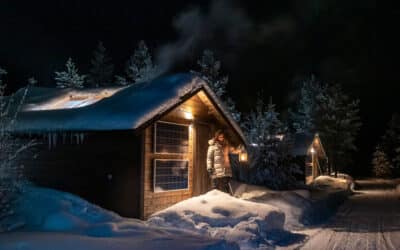
Our winter accommodation packages that include authentic reindeer experiences create a comprehensive Arctic adventure for you. After a day exploring snow-covered forests by reindeer sleigh, you can retreat to our luxurious accommodations that perfectly complement the wilderness experience. Our Polar Lights Lodge offers an authentic Finnish experience where you can take deep breaths of the purest forest air while being amazed by the arctic sky filled with stars and northern lights.
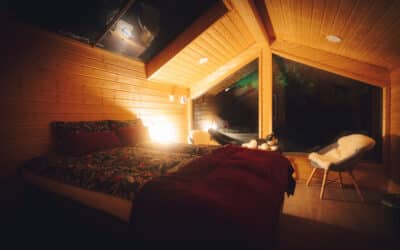
For a truly immersive experience, our Aurora Wilderness Cabins provide a peaceful retreat nestled in the serene wilderness of Levi. These cabins feature large windows, including special roof windows that offer stunning views of the stars and Northern Lights from late August to early April, or the Midnight Sun from late May to late July. You’ll enjoy a light evening meal and breakfast featuring Finnish specialties, completing the authentic Lapland experience.
The cultural significance of reindeer in Lapland adds another dimension to these experiences. For centuries, reindeer herding has been an important tradition in the region, and this traditional knowledge enhances your understanding of both the creatures and the landscape. Our guides share stories connected to reindeer herding, offering insights into a way of life that has sustained communities in this challenging environment for generations.
For those seeking to experience this unique form of winter transportation, our authentic reindeer experiences provide opportunities to glide through snowy forests while learning about these remarkable animals and their cultural significance. The gentle pace of reindeer travel allows you to notice details of the winter environment you might otherwise miss, from animal tracks in the snow to the unique ice formations on trees.
Key takeaways about reindeer and the arctic wilderness experience
The remarkable adaptations of reindeer represent nature’s ingenious response to one of Earth’s most challenging environments. From their specialized fur and hooves to their unique metabolic and behavioral adaptations, these animals embody resilience and efficiency. Understanding these adaptations adds depth to any Lapland wilderness experience, transforming a simple wildlife encounter into an appreciation of evolutionary marvels.
Experiencing reindeer in their natural winter habitat creates a meaningful connection to Finnish Lapland’s cultural heritage and traditional ways of life. For centuries, the relationship between people and reindeer has shaped local customs, livelihoods, and even worldviews. This cultural dimension elevates reindeer encounters beyond wildlife viewing to become windows into an ancient and continuing way of life in the Arctic.
The integration of reindeer experiences with other winter highlights—such as northern lights viewing, traditional accommodation, and wilderness immersion—creates a comprehensive Arctic adventure. These elements work together to showcase the interconnectedness of nature, wildlife, and human culture in the North. The winter season particularly highlights these connections, as the challenges of the environment bring forth both the adaptations of reindeer and the traditional knowledge of local communities.
We enhance this integrated experience through our Polar Lights Lodge, where you can experience a luxurious wilderness night under the magical northern lights while breathing the purest and cleanest air. Staying in our Aurora Wilderness Cabins with large viewing windows perfect for northern lights spotting, you can immerse yourself in authentic Finnish happiness while experiencing the wonders of Lapland’s reindeer and natural environment.
The peaceful silence of gliding through a snow-covered forest on a reindeer sleigh offers a rare opportunity to disconnect from modern life’s constant noise and reconnect with nature’s rhythms. This tranquility, combined with the beauty of the winter landscape and the possibility of witnessing the northern lights, creates memories that resonate long after you return home. For those wishing to experience this unique Arctic adventure, booking experiences that showcase reindeer in their winter habitat provides an authentic glimpse into the remarkable relationship between these animals and their environment.