Reindeer are the cultural cornerstone of Lapland, serving as the lifeblood of traditional northern culture for thousands of years. These remarkable animals have shaped every aspect of life in the Arctic regions, from providing sustainable food, clothing, and transportation to inspiring rich folklore and spiritual practices. Beyond mere livestock, reindeer represent an ancient bond between humans and nature that has enabled survival in one of Earth’s most challenging environments. The intricate relationship between reindeer and the people of Lapland remains vital to regional identity, sustainable livelihoods, and the preservation of indigenous knowledge in Finnish Lapland’s winter landscape.
Understanding the cultural significance of reindeer in Lapland
Reindeer have been the lifeblood of Lapland culture for over 4,000 years, forming the foundation upon which the northern communities built their entire way of life. This profound relationship transcends mere animal husbandry—it represents a holistic worldview where humans and reindeer exist in mutual dependence within the Arctic ecosystem.
For the people of northern Lapland spanning Finland, Sweden, Norway and Russia, reindeer herding isn’t simply an occupation but a cultural identity passed through generations. The annual rhythm of life traditionally followed the migration patterns of reindeer, with families moving between seasonal settlements in harmony with their herds. This nomadic heritage has shaped everything from regional dwelling designs to distinctive clothing and handicrafts.
The deep cultural significance extends into language and social structures. In local languages, there exist hundreds of words describing reindeer—their appearance, behaviour, age, and characteristics—reflecting the intimate knowledge developed over millennia. Traditional knowledge about reindeer behaviour against the backdrop of Lapland’s winter landscapes provides important insights into weather patterns, snow conditions, and the availability of resources.
Beyond practical considerations, reindeer feature prominently in northern spirituality and folklore. Ancient rock carvings depicting reindeer date back thousands of years, while traditional singing often celebrates the special relationship between herders and their animals. Even today, as modern technologies transform herding practices, the symbolic importance of reindeer in cultural celebrations, art, and identity remains undiminished against the magical backdrop of snowy forests and northern lights.
How do reindeer adapt to the harsh winter conditions of Lapland?
Reindeer possess remarkable evolutionary adaptations that allow them to thrive in Finnish Lapland’s extreme winter environment where temperatures regularly plummet below -40°C. Their most impressive adaptation is their specialized fur, which consists of hollow, air-filled outer hairs providing exceptional insulation and a dense woolly undercoat that traps body heat effectively.
These magnificent creatures undergo significant physiological changes with the seasons. During winter, their metabolism slows considerably to conserve energy while their bodies become incredibly efficient at extracting maximum nutrition from sparse food sources. Their large, crescent-shaped hooves serve multiple purposes: spreading wide to distribute weight when traversing deep snow; acting as effective digging tools for uncovering lichen beneath the snow; and contracting during summer for better grip on softer ground.
Perhaps most fascinating is reindeer’s ability to see in the ultraviolet spectrum—a rare adaptation among mammals. This extraordinary vision allows them to detect lichen (their primary winter food source) and spot predators against the snow-covered landscape where normal vision would fail. Additionally, their remarkable sense of smell enables them to locate food buried under snow up to one metre deep.
The reindeer’s circulatory system represents another marvel of adaptation. A specialized nasal structure pre-warms frigid air before it reaches the lungs, while their legs operate with a counter-current heat exchange system that minimizes heat loss to the snow. This biological efficiency explains why you’ll see reindeer comfortably resting in snowdrifts during the height of winter, perfectly at home in conditions that would be fatal to most other large mammals.
These adaptations not only ensure reindeer survival during Lapland’s long, dark winters but have also made them the perfect companion for humans in this challenging environment. Their ability to move efficiently through deep snow while finding their own food made them invaluable for transportation and as a sustainable resource for northern peoples. Today, you can witness these extraordinary animals in their natural winter habitat through authentic reindeer experiences that showcase their remarkable resilience against the backdrop of Lapland’s breathtaking winter scenery.
What role do reindeer play in traditional Northern livelihoods?
Reindeer herding forms the economic and cultural foundation of traditional northern livelihoods, representing a sophisticated system that has sustained communities in the Arctic region for countless generations. The relationship between herders and reindeer exemplifies a sustainable relationship with nature, where every aspect of life interconnects with these remarkable animals.
Historically, the people of northern Lapland practiced nomadic reindeer husbandry, moving with their herds between seasonal pastures—mountain areas in summer and forested regions in winter. This nomadic cycle created a deep understanding of the landscape and weather patterns. Today, while snowmobiles and modern technology have altered some practices, many families continue to make their living primarily through reindeer herding, adapting ancient knowledge to contemporary challenges.
The traditional approach to reindeer husbandry follows the principle of leaving no part unused. Meat provides the primary source of nutrition, with specific preservation techniques developed to ensure food security throughout the year. Hides are crafted into clothing, footwear, and shelter materials perfectly suited to Arctic conditions. Antlers and bones become tools, utensils, and decorative items. Even sinews serve as thread for sewing garments—demonstrating a zero-waste philosophy that predates modern sustainability concepts by millennia.
Beyond material resources, reindeer herding shapes social structures within northern communities. Family units traditionally form the basis of herding collectives, with knowledge passed down through generations. Children learn herding skills from an early age, developing an intimate understanding of reindeer behaviour, migration patterns, and the subtle interplay between animals and environment against the backdrop of Lapland’s winter landscape.
The economic importance of reindeer extends beyond traditional uses. Today, reindeer products ranging from meat to handicrafts provide income for many families in northern regions. Additionally, cultural tourism focused on authentic reindeer experiences offers new economic opportunities while helping preserve traditional knowledge. This adaptation demonstrates how reindeer continue to sustain livelihoods while remaining central to cultural identity in an ever-changing world.
How can tourists experience authentic reindeer culture in winter Lapland?
You can immerse yourself in authentic reindeer culture through our thoughtfully designed experiences that respect both tradition and animal welfare. The most enchanting way to connect with this heritage is through reindeer sleigh rides across snow-covered landscapes beneath the dancing northern lights—an experience that transports you back through centuries of Arctic tradition.
These peaceful journeys through pristine winter forests offer a profound contrast to our hectic modern lives. Wrapped in warm blankets, you’ll hear only the soft padding of reindeer hooves and the gentle jingling of bells as you glide across the snow. The silence of this experience creates a meditative quality that many visitors find deeply moving, especially when combined with the magical atmosphere of Arctic twilight or the ethereal glow of the northern lights overhead.
For those seeking deeper cultural understanding, visits to working reindeer farms provide valuable insights into contemporary herding practices. Here, local guides share their extensive knowledge about reindeer behaviour, herding techniques, and the cultural significance of these animals. Many farms offer opportunities to feed reindeer and learn about traditional techniques used during the annual roundups. These educational experiences help you appreciate the complex relationship between herders and their animals.
Authentic cultural experiences often include opportunities to taste traditional reindeer dishes prepared according to local recipes. This culinary dimension highlights the importance of reindeer as a sustainable food source in the Arctic while introducing you to flavours unique to the region. Similarly, demonstrations of traditional handicraft techniques show how reindeer materials are transformed into functional and beautiful items.
When choosing a reindeer experience, look for options that maintain high standards for animal welfare and authentic cultural representation. The most meaningful experiences are those that genuinely support local communities and traditional livelihoods. Our reindeer experiences prioritize these values, offering you the chance to forget your hurries in the noiseless tranquility of a reindeer sleigh journey through Lapland’s winter wonderland. To ensure your place on these popular experiences, we recommend you book experiences well in advance of your visit.
Where to stay: immersive accommodation experiences in Lapland
After a day immersed in the fascinating world of reindeer culture, we offer unique accommodation options that enhance your connection to Lapland’s wilderness and traditions. Our accommodations allow you to experience the magical northern environment in comfort while maintaining that authentic connection to Finnish Lapland’s natural beauty.
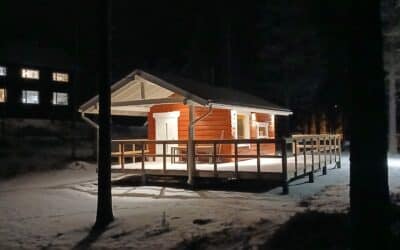
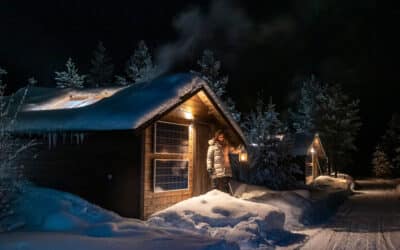
The Aurora Wilderness Cabins provide a luxurious retreat nestled in the serene wilderness of Levi. Our experienced guides escort you through enchanting forest paths to ensure a comfortable arrival at these peaceful havens. The cabins feature expansive windows, including a special roof window, designed specifically for northern lights viewing and stargazing. From late August to early April, you might be treated to the spectacular aurora borealis dancing overhead as you relax in comfort. During the summer months (late May to late July), experience the remarkable phenomenon of the Midnight Sun. Each cabin includes eco-friendly facilities and your stay is complemented by a light evening meal and breakfast featuring authentic Finnish specialties.
Key takeaways: the enduring bond between reindeer and Lapland’s identity
The relationship between reindeer and the winter landscapes of Lapland represents one of the world’s most enduring cultural symbioses—a bond that has weathered centuries of external pressures while maintaining its essential character. This relationship isn’t merely historical; it continues to evolve as a living tradition that shapes regional identity and offers sustainable pathways for the future.
Reindeer herding embodies a knowledge system perfectly adapted to Arctic conditions. The sophisticated understanding of seasonal rhythms, animal behaviour, and environmental stewardship developed by northern communities represents an invaluable cultural heritage. This knowledge, refined over countless generations, offers important insights for sustainable resource management in an era of environmental change.
For you as a visitor to Finnish Lapland, experiencing reindeer culture provides much more than a tourist activity—it offers a window into a different relationship with the natural world. The peaceful pace of a reindeer sleigh ride through snow-draped forests, perhaps under the magical glow of the northern lights, creates a profound connection to place that many describe as transformative.
Supporting authentic reindeer experiences contributes directly to the preservation of traditional livelihoods and cultural practices. As modern pressures challenge traditional herding—from climate change to competing land uses—tourism that values authenticity and sustainability helps ensure these traditions continue for future generations.
The story of reindeer in Lapland reminds us that cultural identity is inseparable from the landscapes and animals that shape human experience. When you witness reindeer against the backdrop of Finnish Lapland’s winter beauty, you’re not simply observing an animal but experiencing a living cultural heritage that continues to define this remarkable region.
If you’re inspired to experience this ancient relationship firsthand during your visit to Finnish Lapland, contact us to learn more about how we can help you create meaningful connections with the land, culture, and remarkable animals that define this enchanting corner of the Arctic.