Yes, you can see the northern lights while winter horseback riding in Lapland. This wonderful experience combines two magical elements of Finnish Lapland: the enchanting aurora borealis and the peaceful wilderness exploration on horseback. The dark winter skies from November through March provide ideal conditions for aurora viewing, while the remote trails accessible by horseback offer pollution-free viewing areas away from artificial light. At Polar Lights Tours, we offer guided tours specifically designed for northern lights viewing that typically operate in the evenings when aurora activity is highest. Our experienced guides know the best locations and will help maximize your chances of witnessing this natural phenomenon.
Note! Northern lights are a natural phenomenon, and their visibility can never be guaranteed. They depend entirely on weather conditions, cloud cover, and solar activity, which are always beyond our control.
What makes winter horseback riding under the northern lights in Lapland special?
Winter horseback riding under the northern lights in Lapland offers a uniquely immersive way to experience the Arctic wilderness that you simply can’t get from any other activity. The combination of gentle motion through snow-covered landscapes while gazing upward at dancing lights creates a deep connection with nature that many travelers describe as life-changing.
The silence of the Lappish wilderness is particularly magical during these excursions. Unlike motorized tours, horseback riding produces minimal noise, allowing you to hear the subtle sounds of nature—the soft crunch of snow beneath hooves, the whisper of wind through pine trees, and occasionally, the faint crackling sound that some believe accompanies intense aurora displays.
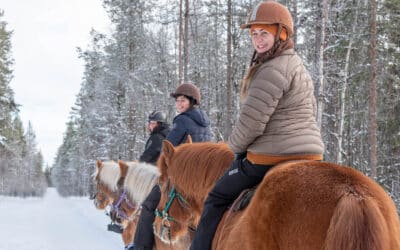
The steady, reliable Finnhorses used for these journeys are perfectly adapted to the Arctic environment. These native Finnish horses have thick winter coats and sure footing in snow, providing a safe and comfortable riding experience even for beginners. Their calm temperament and natural connection to the environment enhance the tranquility of the experience.
Additionally, the elevated vantage point from horseback provides an expansive view of both the landscape and the sky. This perspective allows you to appreciate the full scope of the northern lights as they illuminate the snow-covered forests and frozen lakes, creating a 360-degree immersive experience that ground-based viewing cannot match.
How do guided horseback northern lights tours work in Lapland?
At Polar Lights Tours, our guided horseback northern lights tours follow a carefully structured format designed to maximize both safety and aurora viewing opportunities. When you arrive at the stable, our experienced guides provide a comprehensive safety briefing and basic riding instructions, ensuring that even complete beginners can participate comfortably in this Arctic adventure.
Each tour begins with proper horse matching, where our guides pair you with suitable mounts based on your experience level and physical build. The native Horse Experiences with friendly Finn horses are particularly well-suited for these excursions, known for their steady temperament and sure-footedness in winter conditions. You’ll receive appropriate safety gear, including helmets and reflective vests for visibility in the dark.
We plan our routes strategically each day based on the latest aurora forecasts and local weather conditions. Our guides have deep knowledge of the terrain and lead you to optimal viewing locations away from light pollution. These carefully selected routes balance accessibility with remoteness, often following frozen lakes, winding through snow-laden forests, or climbing gentle hills to provide panoramic views of the night sky.
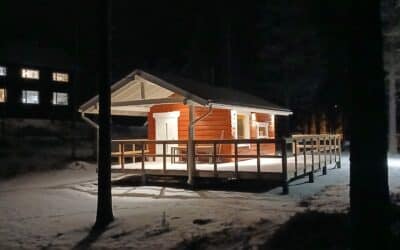
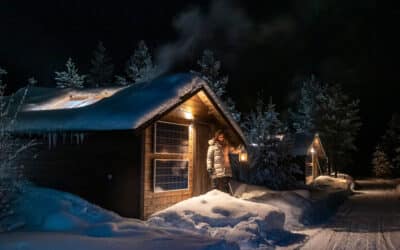
Many of our tours include a wilderness break at a traditional kota (Lappish hut) or campfire spot, where we serve hot beverages and light refreshments while waiting for the aurora to appear. This rest period allows you to warm up and provides an excellent opportunity for photography. Our guides are happy to assist with camera settings to help you capture the elusive lights.
The small group sizes (typically 2-6 riders) ensure personalized attention and minimize environmental impact on the pristine Lapland wilderness. This intimate setting also enhances the magical quality of witnessing the northern lights together in the silence of the Arctic night.
What should you wear for winter horseback riding under the northern lights?
Proper clothing is really important for enjoying winter horseback riding under the northern lights in Lapland, as temperatures can regularly drop below -20°C. The best approach to comfort in Arctic conditions is effective layering rather than single bulky garments.
Start with a moisture-wicking base layer made of merino wool or synthetic materials that draw perspiration away from your skin. This prevents the dangerous cooling effect of sweat freezing against your body. Avoid cotton as it retains moisture and loses insulating properties when damp.
For your mid-layer, opt for insulating materials like fleece or down that trap warm air close to your body. Multiple thinner layers are more effective than one thick layer as they create insulating air pockets and allow for adjustment based on changing conditions during your ride.
The outer layer should be windproof and water-resistant while still allowing moisture to escape. At Polar Lights Tours, we provide specialized thermal riding suits that are designed specifically for Arctic conditions. These one-piece suits offer excellent protection while allowing the freedom of movement necessary for horseback riding.
Extremities require special attention in Arctic conditions:
- Hands: Insulated, waterproof riding gloves or mittens (mittens are warmer but offer less dexterity)
- Head: Thin balaclava or beanie under your riding helmet to protect ears and face
- Feet: Thermal socks (wool or synthetic blend) with insulated winter riding boots
- Face: A neck gaiter or scarf that can be pulled up to protect your face from wind
We can provide thermal overalls, boots, helmets, and mittens as part of our service. However, bringing your own base and mid-layers is recommended for hygiene and optimal comfort. When booking experiences with us, you’ll receive detailed packing instructions specific to current seasonal conditions.
Remember that standing still while observing the aurora is colder than the actual riding activity, so dressing slightly warmer than you might for daytime winter activities is advisable. Hand and foot warmers can be useful additions for extra comfort during photography stops.
Whether you’re an experienced equestrian or first-time rider, the combination of northern lights and horseback exploration offers a profound way to experience the magic of Finnish Lapland in winter. This harmonious blend of natural wonder, cultural tradition, and sustainable tourism represents the very best of what Arctic adventures can offer.