What’s the difference between reindeer safari and husky sledding experiences?
Reindeer safaris and husky sledding offer fundamentally different wilderness experiences in Finnish Lapland. Reindeer safaris move at a calm, meditative pace that allows a deep connection with the serene Arctic environment, while husky sledding delivers high-energy adventure with teams of enthusiastic sled dogs racing across snow-covered trails.
The atmosphere during a reindeer safari in Finland centres around tranquillity and mindfulness. These gentle animals move quietly through pristine forests, creating an almost spiritual experience where you can hear every snowflake falling and feel completely immersed in nature’s silence. The slower pace allows for photography, wildlife spotting, and meaningful conversations with guides about local traditions.
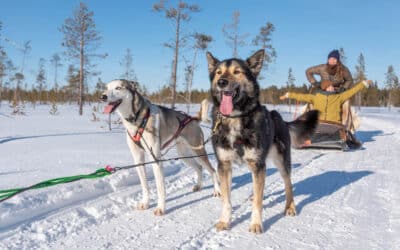
Husky sledding, conversely, brings excitement and adrenaline as powerful dog teams eagerly pull sleds across varied terrain. The experience involves active participation in guiding the sled, communicating with the dogs, and navigating through forests and across frozen lakes. The energy is infectious, with dogs barking enthusiastically at the start and maintaining steady momentum throughout the journey.
Weather conditions affect each activity differently. Reindeer remain calm in various conditions, making safaris reliable even during light snowfall or wind. Huskies thrive in cold weather, but extreme conditions may require route modifications for safety. Both activities showcase the stunning beauty of Lapland’s winter landscape, though from distinctly different perspectives and at different speeds.
Which wilderness activity is better for families with children?
Reindeer safaris typically work better for families with young children due to their gentle nature and minimal physical demands. Children as young as three can safely participate, sitting securely in sleighs while parents handle the reins. The calm environment reduces anxiety and allows families to enjoy the experience together without safety concerns.
Safety considerations favour reindeer experiences for mixed-age groups. Reindeer are naturally docile and move predictably, reducing the risk of sudden movements or falls. The slower pace gives parents time to assist children and ensure everyone remains comfortable throughout the journey. Emergency stops are easily managed, and guides can quickly address any concerns.
Comfort levels vary significantly between activities. Reindeer sleighs often include warm blankets, providing better protection from cold weather. The steady pace allows for easy conversation and shared experiences. Husky sleds prioritise mobility over comfort, though many operators provide thermal gear to ensure enjoyable experiences for all family members.
How do the cultural experiences compare between reindeer and husky tours?
Reindeer safaris offer deeper cultural immersion through authentic Sámi heritage connections and traditional practices that have remained largely unchanged for centuries. These experiences often include learning about reindeer herding traditions, understanding the spiritual significance of these animals in Sámi culture, and hearing stories passed down through generations of indigenous families.
The cultural authenticity of reindeer experiences extends beyond the activity itself. Many tours include visits to traditional Sámi camps, opportunities to learn about traditional clothing and tools, and explanations of how reindeer herding shaped entire communities. Guides often share personal family histories and explain how modern Sámi people maintain their cultural identity while adapting to contemporary life.
Husky sledding, while culturally significant in Arctic regions, focuses more on adventure and the historical relationship between humans and working dogs. The cultural elements centre on understanding how dog sledding developed as transportation across frozen landscapes and learning about different breeds adapted to Arctic conditions. Stories often highlight exploration and survival rather than spiritual connections.
Educational opportunities differ between the two experiences. Reindeer experiences provide extensive learning about traditional lifestyles, seasonal migrations, and sustainable practices developed over thousands of years. Husky tours emphasise teamwork, animal training techniques, and the practical aspects of Arctic survival and transportation, offering valuable but different educational perspectives on life in Finnish Lapland.
What should you expect from the physical demands of each activity?
Reindeer safaris require minimal physical effort, making them accessible to most fitness levels and ages. Participants primarily sit in comfortable sleighs while reindeer provide all the locomotion, though some tours offer opportunities to walk alongside the animals or try basic reindeer handling under supervision.
The physical requirements for reindeer experiences include the ability to climb into sleighs, maintain a seated position for 1–3 hours depending on tour length, and walk short distances during stops. Most tours accommodate mobility limitations and provide assistance when needed. The gentle motion rarely causes discomfort, and frequent stops allow for stretching and warming up.
Husky sledding demands more active participation and physical engagement. Participants may need to help steer sleds, assist with braking, and occasionally run alongside or behind sleds on uphill sections. The activity requires good balance, basic coordination, and the ability to react quickly to changing conditions or guide instructions.
Duration expectations vary between activities, but both typically last 1–3 hours, including preparation, the actual safari, and post-activity refreshments. Reindeer tours often include longer stops for cultural activities, photography, and learning opportunities. Husky expeditions focus more on continuous movement with shorter breaks, though many conclude with visits to kennels where participants can interact with puppies and learn about dog care in Arctic conditions.
Both activities showcase the magnificent wilderness of Finnish Lapland through unique lenses. Your choice depends on whether you prefer contemplative cultural immersion or dynamic outdoor adventure. Consider your group’s ages, fitness levels, and interests when deciding. Many visitors find that experiencing both activities during their stay provides the most comprehensive understanding of Arctic traditions and the diverse ways to explore this remarkable landscape.