For a reindeer sleigh ride in Finnish Lapland, you’ll need thermal base layers, insulating mid-layers, and a windproof outer shell. Essential items include insulated winter boots, warm gloves, and a thermal hat. The three-layer system keeps you comfortable in temperatures ranging from -10°C to -30°C. Proper clothing preparation ensures you can fully enjoy this magical Arctic experience while staying warm and safe throughout your journey.
What should you wear on a reindeer sleigh ride in Finnish Lapland?
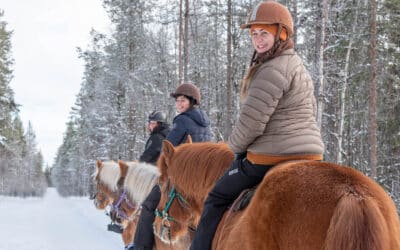
The key to dressing for a reindeer safari adventure in Finland is layering thermal clothing that traps warm air while allowing moisture to escape. Start with merino wool or synthetic thermal underwear as your base layer, add an insulating fleece or down jacket, and finish with a windproof, waterproof outer shell. This combination protects you from Arctic winds while maintaining body heat during the sleigh ride.
Your clothing choices directly impact your comfort during these magical experiences. Avoid cotton materials entirely, as they retain moisture and lose insulating properties when wet. Instead, choose wool or synthetic fabrics that maintain warmth even in damp conditions. Pack extra gloves and socks, as extremities get cold first during outdoor Arctic activities.
Consider the duration and style of your tour when selecting clothing. Professional tour operators often provide additional thermal gear, but having your own properly fitted base layers ensures maximum comfort. Quality thermal clothing makes the difference between an uncomfortable experience and a memorable adventure through Lapland’s winter wonderland.
How cold does it get during reindeer sleigh rides in Lapland?
Temperatures during reindeer sleigh rides in Finnish Lapland typically range from -10°C to -30°C (14°F to -22°F) during the winter months. December through March offers the coldest conditions, while November and April provide milder temperatures around -5°C to -15°C. Wind chill from sleigh movement can make temperatures feel 5–10 degrees colder than the actual air temperature.
The coldest periods occur during polar night from December to January, when temperatures can drop below -35°C in northern Lapland. However, these extreme conditions create perfect opportunities for viewing the northern lights during your reindeer experience. Professional guides monitor weather conditions and adjust tours accordingly to ensure guest safety and comfort.
Understanding these temperature ranges helps you prepare appropriate clothing and set realistic expectations. The dry Arctic air feels different from humid cold, often feeling less harsh than similar temperatures in coastal climates. Proper preparation allows you to enjoy the serene beauty of snow-covered landscapes without discomfort from the cold.
How does the three-layer clothing system work for Arctic activities?
The three-layer system consists of a moisture-wicking base layer, an insulating middle layer, and a protective outer shell that work together to regulate body temperature and moisture. The base layer moves sweat away from the skin, the middle layer traps warm air, and the outer shell blocks wind and precipitation while allowing moisture vapour to escape.
Your base layer should fit snugly against the skin, using merino wool or synthetic materials that maintain insulating properties when damp. Avoid cotton completely, as it retains moisture and loses thermal efficiency. Choose long-sleeve tops and full-length bottoms that cover all skin areas to prevent cold spots and heat loss.
The insulating middle layer creates the primary thermal barrier using down, synthetic fill, or fleece materials. This layer should be loose enough to trap air but not so bulky that it restricts movement during your reindeer experience. The outer shell protects against wind and snow while featuring ventilation options for temperature regulation during varying activity levels.
This system allows you to adjust warmth by adding or removing layers as conditions change. During active periods, you might remove the middle layer to prevent overheating. When stationary or facing strong winds, all three layers provide maximum protection against heat loss and environmental exposure.
What footwear and accessories are essential for reindeer sleigh rides?
Essential footwear includes insulated winter boots rated for -30°C with non-slip soles, thick wool socks, and optional foot warmers for extended exposure. Critical accessories include thermal gloves or mittens, a warm hat covering the ears, a neck gaiter or balaclava, and protective eyewear to shield against snow glare and wind.
Choose boots with removable liners that can be dried between activities. Pac boots or similar Arctic-rated footwear provide the best protection while ensuring proper fit with thick socks. Avoid tight-fitting boots that restrict circulation, as this increases frostbite risk during extended cold exposure.
Mittens provide better warmth than gloves by allowing fingers to share heat, but gloves offer better dexterity for photography and handling equipment. Pack both options, along with thin liner gloves for camera operation. A warm hat that covers the ears completely prevents significant heat loss, as a substantial amount of body heat can escape through the head.
Quality sunglasses or goggles protect against snow blindness caused by intense reflection off snow surfaces. Even during overcast conditions, UV reflection from snow can damage eyes and cause discomfort. Choose eyewear with side protection and anti-fog coating for clear vision throughout your Arctic adventure.
How do accommodation and activity packages enhance your Lapland experience?
Comprehensive accommodation and activity packages create a seamless Arctic adventure by combining comfortable lodging with expertly guided reindeer experiences, eliminating logistical challenges while maximising your time in Finnish Lapland. These packages often include thermal clothing rental, transportation, meals, and multiple activities that showcase the region’s natural beauty and cultural heritage.
Well-designed packages pair cosy accommodation with diverse outdoor activities, creating the perfect balance between adventure and relaxation. After an exhilarating day experiencing authentic reindeer encounters, you can warm up in traditional Finnish lodging while planning your next Arctic adventure. This combination allows you to fully immerse yourself in Lapland’s unique atmosphere without worrying about individual bookings or coordination.
Professional tour operators design packages that complement each season’s unique offerings. Winter packages might combine reindeer sleigh rides with northern lights viewing, husky safaris, and cultural experiences with local Sámi communities. These thoughtfully crafted combinations provide a deeper understanding of Arctic life while ensuring you experience the full magic of Finnish Lapland.
The convenience of comprehensive packages allows you to focus entirely on enjoying your Arctic adventure. Transportation between activities, equipment provision, and expert guidance create worry-free experiences that maximise both safety and enjoyment. This integrated approach transforms individual activities into cohesive journeys that create lasting memories of your time in the Arctic wilderness.